
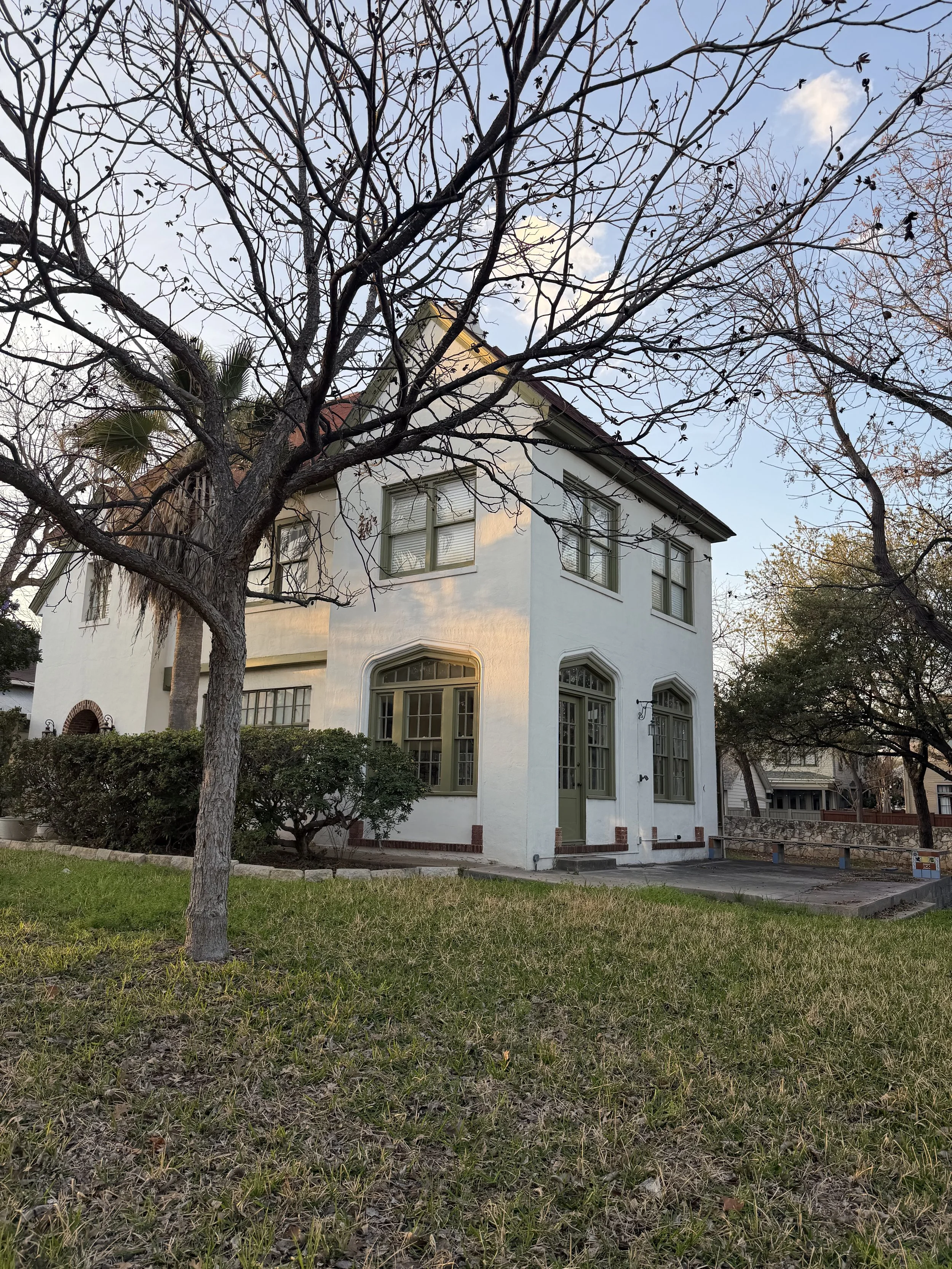
Managing Historic Homes in Richmond: From Fan Crawlspaces to Historic District Rules
It All Begins Here
Owning a piece of Richmond’s history is a unique privilege, but keeping a century-old home running smoothly requires a specific kind of patience. Beautiful heart-pine floors and exposed brick usually come paired with vintage infrastructure. If you own a rental property in the city’s urban core, successful management means staying ahead of the house's quirks.
The Underbelly: Fan and Museum District Crawlspaces
If you own a home in The Fan or the Museum District, you already know that the real story of the house is often told underneath it.
Moisture Management: Richmond’s humid summers combined with old, unencapsulated crawlspaces can create a breeding ground for moisture issues. Regular inspections of vapor barriers and proper venting are non-negotiable.
The Plumbing Puzzle: Many of these homes have transitioned from cast iron to copper and PVC over the decades, often resulting in a patchwork system. Knowing exactly how these lines run through old floor joists saves hours of diagnostic time when a tenant reports a leak.
Navigating Historic Guidelines (CAR Rules)
Managing a property in neighborhoods like Church Hill or Jackson Ward adds another layer of complexity: local historic district compliance.
The Commission of Architectural Review (CAR) has strict guidelines to preserve the architectural integrity of our city center. If a property needs exterior repairs—whether it's replacing rotten wood trim, rebuilding a front porch, or repainting—you cannot simply run to a big-box hardware store.
Understanding which materials are approved and knowing how to source contractors who specialize in historic brick mortar and wood restoration is the difference between a seamless repair and a costly code violation.
Staying Ahead of Maintenance
The secret to historic home property management isn't just fixing things when they break; it’s anticipating the breakdown. Old plaster walls, settling foundations, and vintage slate roofs require a watchful, experienced eye. When you treat a historic property with practical, steady oversight, it retains its value and attracts tenants who appreciate its character just as much as you do.
Our Approach: We write about this because we live it every day. Gentlenest manages historic and urban properties across Richmond's core neighborhoods. If you want a steady, low-pressure team to handle your rental or list your city home, let's have a quiet chat.

Long-Term vs. Short-Term Rentals in RVA: Which Strategy Fits the Urban Core?
It All Begins Here
If you own an investment property in walkable Richmond—whether it’s a rowhouse in Church Hill, a condo near VCU, or a classic home south of the river in Forest Hill—you have a fundamental choice to make: look for an annual tenant or list it on platforms like Airbnb and Vrbo.
Both approaches are highly viable in the city center, but they serve entirely different investment goals.
The Short-Term Rental (STR) Play: Higher Yield, Higher Engagement
Richmond’s tourism and university culture keep demand for short-term rentals steady. Walkable neighborhoods are highly attractive to traveling medical professionals, visiting families, and weekend tourists.
The Upside: Short-term rentals generally yield higher gross monthly revenue than traditional leases. You also retain flexibility; if you want to use the home for your own guests for a weekend, you simply block out the calendar.
The Reality: It is an operational business. You are dealing with daily dynamic pricing adjustments, constant turnover cleaning, guest communication at odd hours, and navigating the City of Richmond’s specific short-term rental regulations and operator permits.
The Long-Term Rental Play: Stability and Quiet Cash Flow
Traditional 12-month leasing remains the bedrock of urban core real estate investing.
The Upside: Predictability. You receive a fixed monthly rent check, utilities are typically transferred to the tenant, and your daily operational headache drops to near zero.
The Reality: Your revenue is capped for the duration of the lease term, and your property sees more continuous, long-term wear and tear from a single occupant.
Deciding Which Strategy Fits Your Property
The right choice usually comes down to location and your personal bandwidth. A property with high walkability near local restaurants and coffee shops is a prime candidate for a premium short-term rental. A home located on a quieter residential block in Northside might benefit from the steady, reliable nature of an annual tenant.
Many owners find that balancing their portfolio with a mix of both strategies provides the perfect blend of high revenue and stable, quiet cash flow.
Our Approach We write about this because we live it every day. Gentlenest manages historic and urban properties across Richmond's core neighborhoods. If you want a steady, low-pressure team to handle your rental or list your city home, let's have a quick chat.

What to Look For in a Richmond Property Management Company (And When to Switch)
It All Begins Here
Hiring a property management company is supposed to give you your time back. Unfortunately, many property owners find themselves managing their manager—chasing down updates on maintenance requests, decoding confusing monthly statements, or dealing with high tenant turnover.
If your current management setup feels more stressful than doing it yourself, it might be time to evaluate your options. Here is what straightforward, competent property management should actually look like.
1. Transparent Fees vs. Nickel-and-Diming
A good manager makes their money by managing houses, not by hiding fees in the fine print. When reviewing a management agreement, look out for common "hidden" profit centers:
Maintenance Markups: Some corporate companies add a percentage markup to a contractor's invoice. If a plumber charges $200, the manager bills you $240. A transparent partner passes the direct cost of maintenance straight through to you with zero markup.
Administrative Add-ons: You shouldn't be charged extra fees for basic communication, statement generation, or digital portal access.
2. No Lock-In Annual Contracts
Many large property management companies in Richmond require you to sign a rigid, 12-month commitment. If they stop responding to your emails or fail to place a quality tenant, you are still legally trapped in the contract.
A boutique, confident manager doesn’t need to trap you. Look for companies that operate on a month-to-month basis. If a manager keeps your business by doing good work every single month, everyone’s incentives stay aligned.
3. Hyper-Local Competence
Managing a subdivision property in a far-flung county is vastly different from managing a historic home in the city center. Your manager should know the street-by-street dynamics of Richmond’s urban core. They should understand the exact rental values in Northside versus Forest Hill, and they shouldn't blink when an older home requires specialized historic care.
If you are spending your own time answering guest complaints or wondering where your monthly rental distribution is, it’s worth remembering that switching management companies is a straightforward process—even mid-lease. You deserve a partner who handles the details quietly, competently, and on your timeline.
Our Approach We write about this because we live it every day. Gentlenest manages historic and urban properties across Richmond's core neighborhoods. If you want a steady, low-pressure team to handle your rental or list your city home, let's have a quick chat.